Traditions of Quality and Textile Innovation
Sumykamvol has evolved from a classic worsted spinning factory to a modern group of companies specializing in deep processing of natural fibers — hemp, flax, and wool. We combine decades of experience with the ecological technologies of the future. To learn more about our capabilities, visit the B2B services page.
Production Capacities
Modern lines for deep industrial processing of natural and synthetic fibers.
Innovative Technologies
Processing of plant raw materials into textile and building materials.
Circular Eco-Production
Processing, scouring, and full utilization of by-products.
Industrial Park
Over 85,000 m² of ready facilities with advanced power grid.
How Our Production Works
Key Development Stages
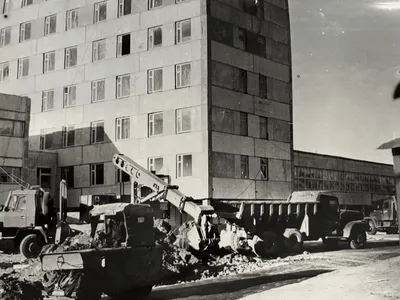
Foundation
The launch of the Sumy worsted spinning factory in 1987 marked the start of semi-wool knitted yarn production, shaping a major regional textile hub.
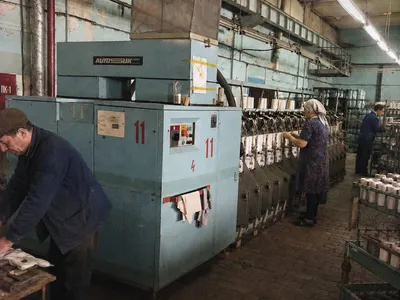
Testing by Crisis
Ukraine's independence in 1991 brought deep economic challenges. The breakdown of ties forced the team to find new ways to preserve the factory.
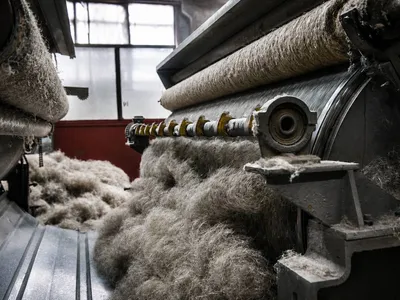
Sumykamvol LLC
A new era of development began in 2001 when a group of private investors acquired the factory, registered Sumykamvol LLC, and upgraded production.
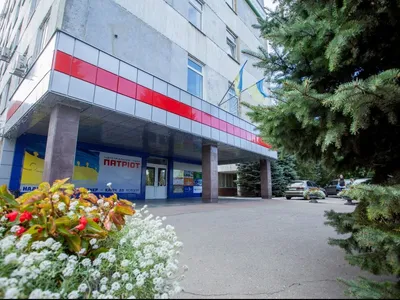
Industrial Park
To optimize vast spaces, Patriot Industrial Park was established on the factory grounds in 2005, hosting dozens of firms and expanding exports.
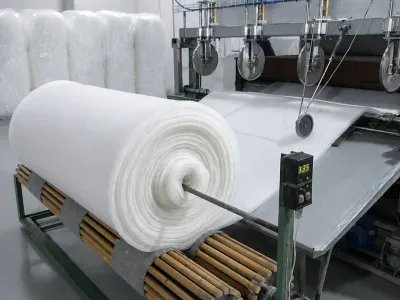
EU Integration
An era of stabilization and export expansion. The enterprise became a unique producer of combed sliver and integrated into the European market.
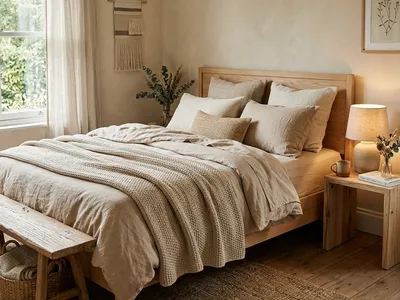
UkonoTM Brand
In 2020, the factory successfully entered the retail market by launching the UKONO brand, producing blankets filled with organic hemp fiber.
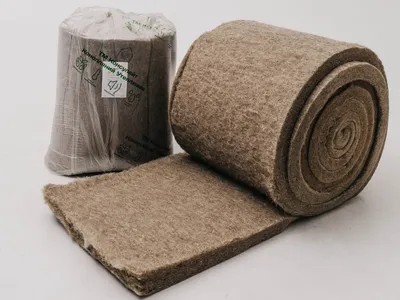
KonsulateTM Brand
A strategic step into green construction was taken in 2023. The factory launched the manufacture of natural hemp insulation under the KONSULATE brand.
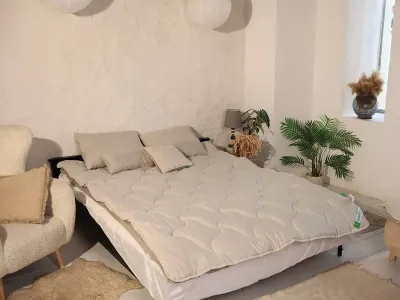
Today
Today, the modern ecosystem of Sumykamvol unites the UKONO and Charivna Nich brands, producing high-quality home textiles from natural fibers.
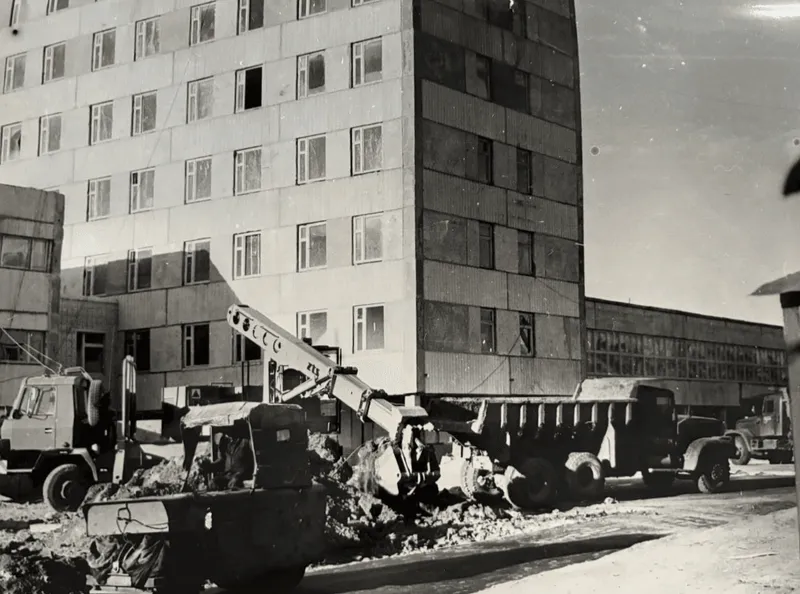
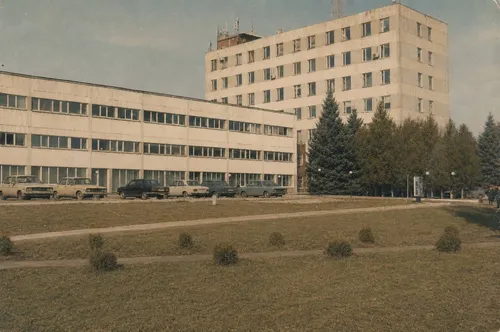
The enterprise started its operation in 1987. It was established as the Sumy worsted spinning factory. This facility was one of the last large-scale light industry projects built in the Soviet Union. The main specialization of the giant production was the manufacture of semi-wool knitted yarn. This raw material was supplied for the needs of the garment and knitting industries.
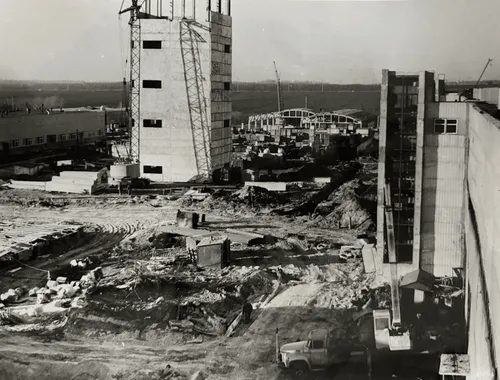
In the late 1980s, the factory was officially listed among the largest textile enterprises of the USSR. The scale was impressive, with over 3,000 employees working at the production facilities. Finished products were shipped in massive volumes across the Soviet Union and actively exported abroad. The main consumers of these materials were large knitting and hosiery factories.
To ensure uninterrupted operation, the enterprise was equipped with the most modern machinery of the time. The technical base allowed for a full cycle of processing natural wool. Lines for spinning semi-wool yarn and rapid production of various textile materials were launched. The factory quickly turned into a key industrial facility for Sumy and a powerful center for the entire light industry of Ukraine.
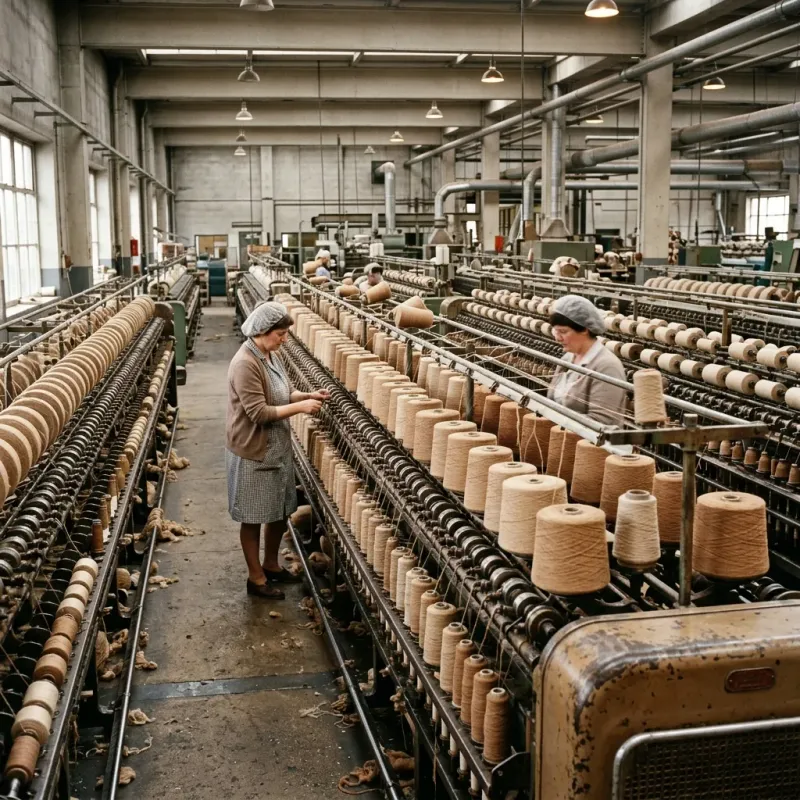
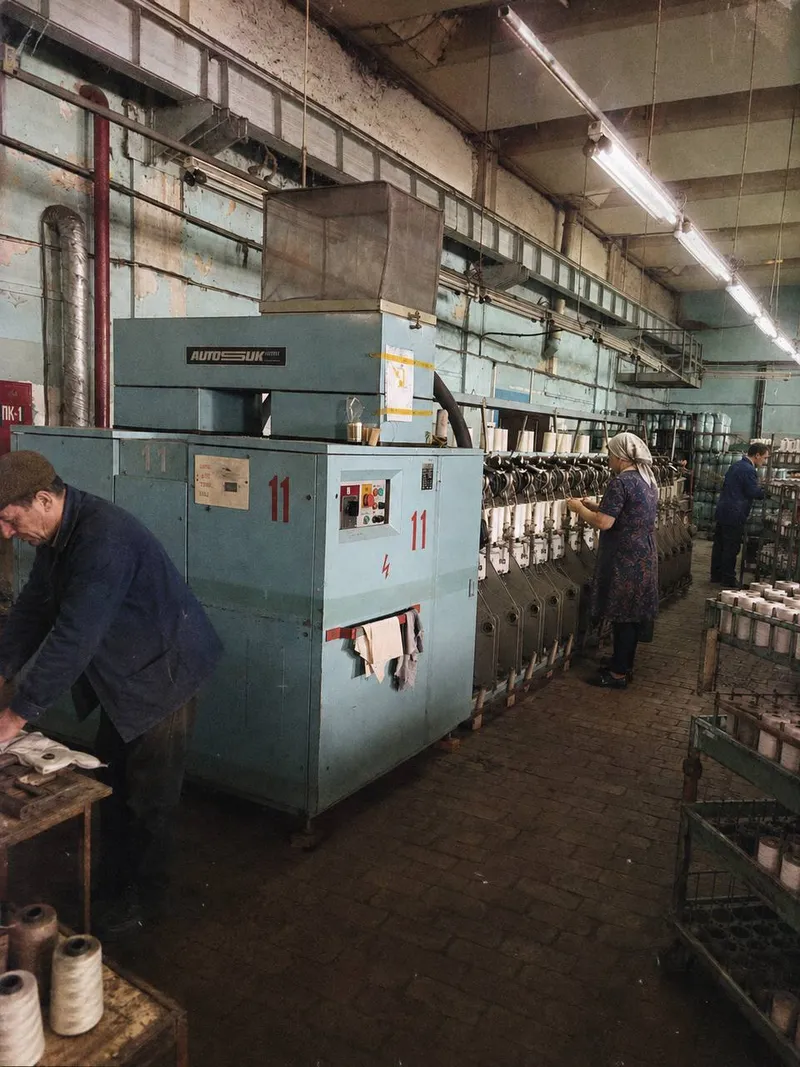
In 1991, Ukraine's independence was declared. Following this, the enterprise, like most large Soviet factories, faced harsh economic realities. A difficult period of testing began. The factory suffered severe blows due to the sudden breakdown of established economic ties. Traditional markets for products were completely lost in a short span of time.
The situation in the country was significantly complicated by rapid inflation. The enterprise critically lacked working capital to purchase raw materials. Overall demand for textile products in the domestic market fell to a critical minimum. Most similar Soviet mills simply closed down and ceased to exist during those years. The factory was forced to survive under conditions of acute energy shortages, fuel supply delays, and rising utility tariffs. Furthermore, competition intensified from cheap imports flooding the open Ukrainian market. All these factors exerted unprecedented pressure on the management and workers, forcing them to search for new sales channels, optimize internal expenses, and introduce strict cost-saving measures at every stage of the production process.
Despite all these difficult circumstances, the Sumy factory continued to operate. The team managed to protect and preserve the core production direction — textile manufacturing. During this period, a gradual and planned transition was taking place from the old Soviet model of a state-owned enterprise to a modern private form of management.
“Despite the hyperinflation of the 90s and the complete severance of economic ties, the worker collective preserved the unique machinery and textile base. This resilience laid the foundation for modern private manufacturing.”
From 1987 to 2001, the factory walked a long path. It transformed from a planned Soviet mill, through the deep crisis of the post-Soviet economy, to creating the prerequisites for a modern private enterprise. It was at the end of this stage that the time for global changes matured.
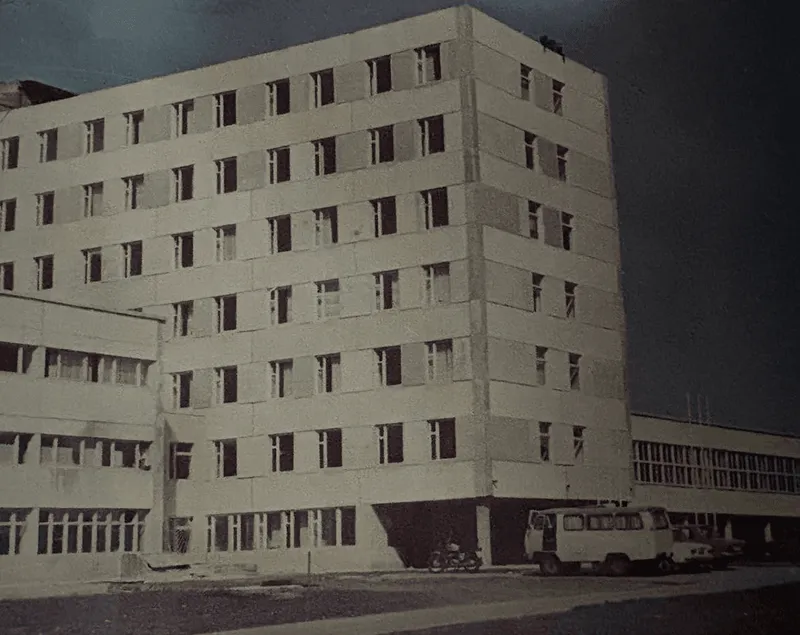
A new stage in the development of the enterprise began in 2001. That is when the factory was acquired by a group of Ukrainian entrepreneurs. The investors were genuinely interested in reviving national textile production. The official registration of Sumykamvol LLC took place on March 3, 2001. From that moment on, the company received a new organizational form. The new management immediately launched an active modernization process.
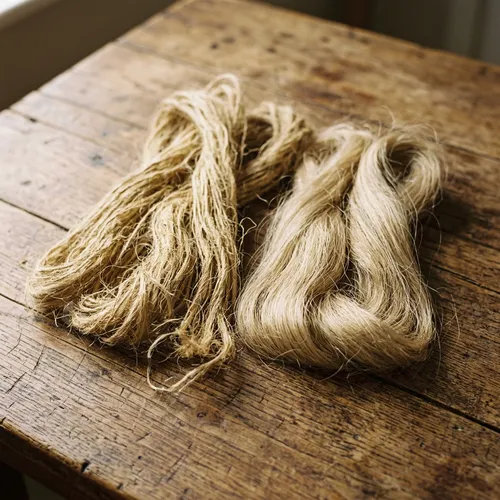
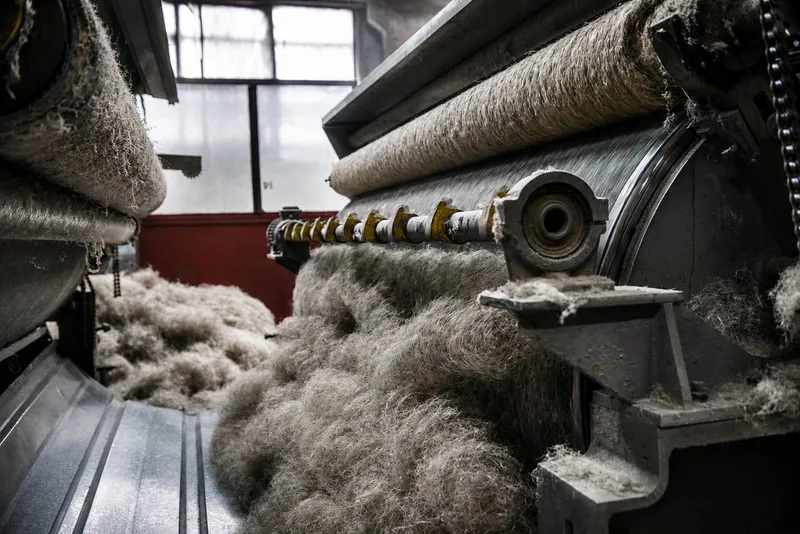
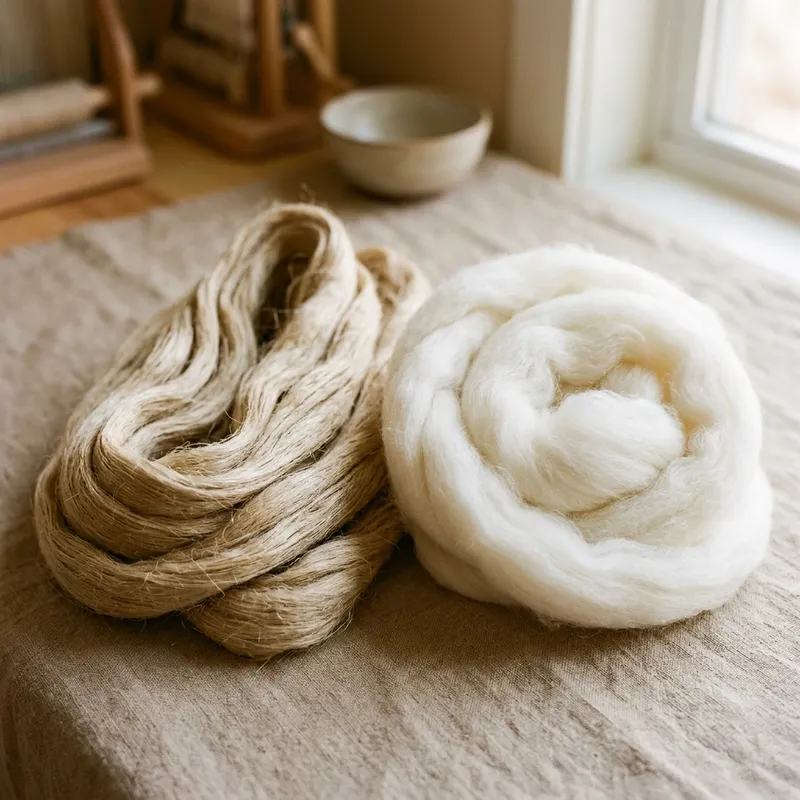
A complete reorientation of production, intensive search for new markets, and rapid mastering of modern product types began. In the early 2000s, step by step, the enterprise transformed from a conventional Soviet spinning factory into a modern group of textile operations. The company expanded its scope of activity. The factory began to professionally engage in the deep processing of wool. On the basis of the workshops, they set up the production of non-woven materials, and also launched the process of cotonization of flax and hemp.
It was then that popular items appeared in the range, making combed sliver and high-quality wool for felting available to customers. The financing of the large-scale equipment upgrade was carried out by attracting private investments and bank loans. The stable development of new business lines helped the company avoid final closure under the difficult economic conditions of the early 2000s. The production base was completely saved.
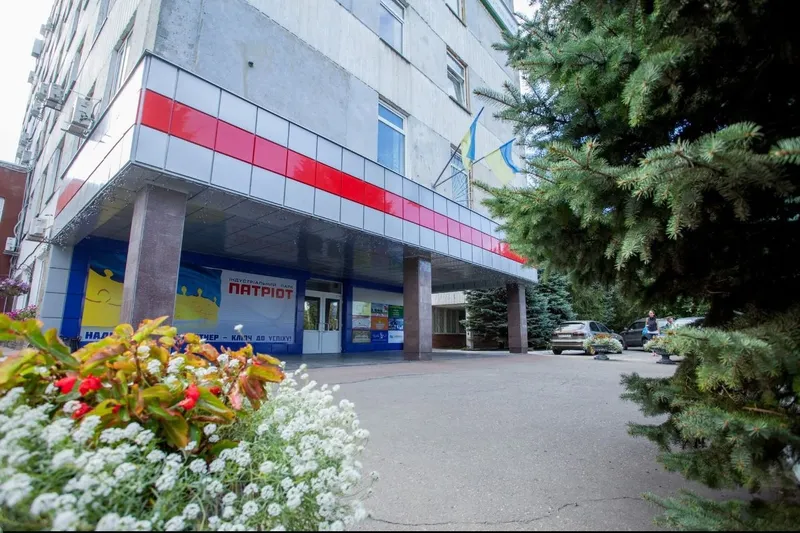
One of the most important and influential decisions of this period was the creation of the Patriot Industrial Park in 2005. It was organized directly on the territory of the factory. A significant portion of the huge Soviet production areas at that time remained unused and required significant maintenance costs. This was one of the first official industrial parks in Ukraine.
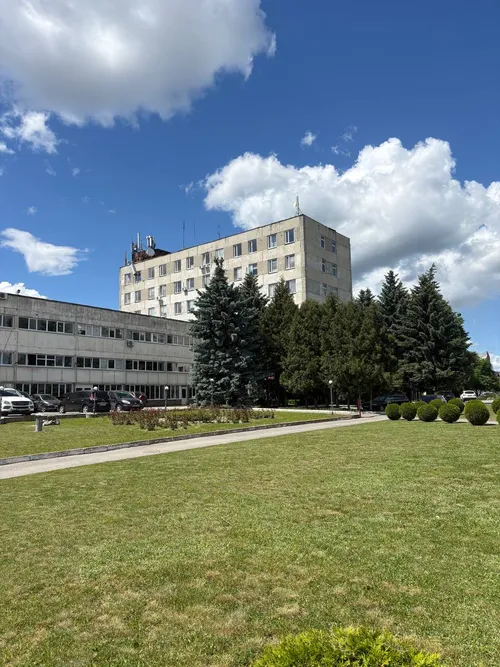
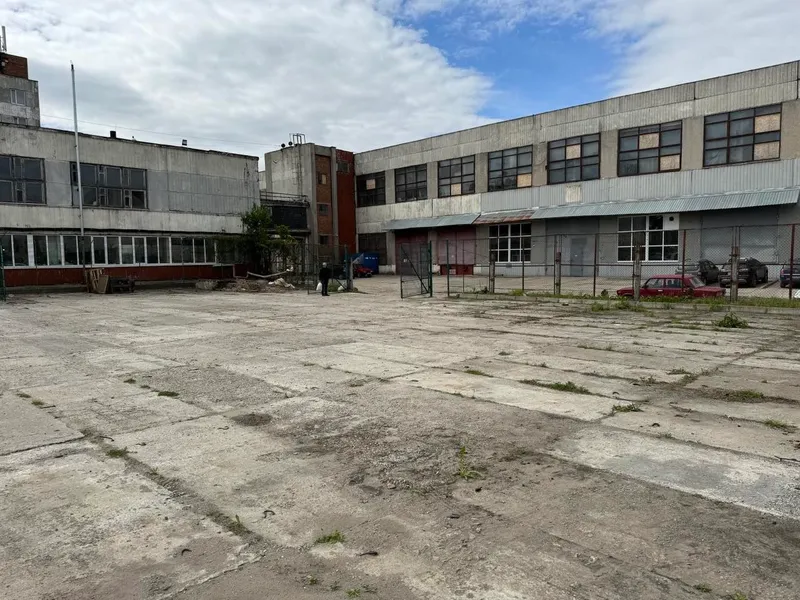
The essence of the project was that the factory started to lease free industrial premises to other enterprises. Part of the spacious workshops was converted into modern offices, logistics warehouses, and workshops. Dozens of different third-party companies began to work actively on the territory. This approach made it possible to obtain reliable additional sources of financial income. The company was able to effectively support its own complex infrastructure, fully preserve jobs, and quickly adapt to new economic conditions. By the end of the 2000s, more than 100 different enterprises and organizations were already working on the territory of the former mill.
In the second half of the 2000s, Sumykamvol LLC finally abandoned its narrow specialization in semi-wool yarn only. The enterprise began to actively develop new directions: production of combed sliver (tops), wool for felting, high-quality non-woven materials, as well as processing of flax and hemp. At the same time, the manufacture of fillers for blankets and pillows started. This allowed the company to enter new markets, begin cooperation with related industries, and significantly increase its export potential. Products began to be supplied to European countries, the USA, Canada, China, and India. Natural fibers became especially sought after. The period of 2001–2010 laid a solid foundation for the modern enterprise.
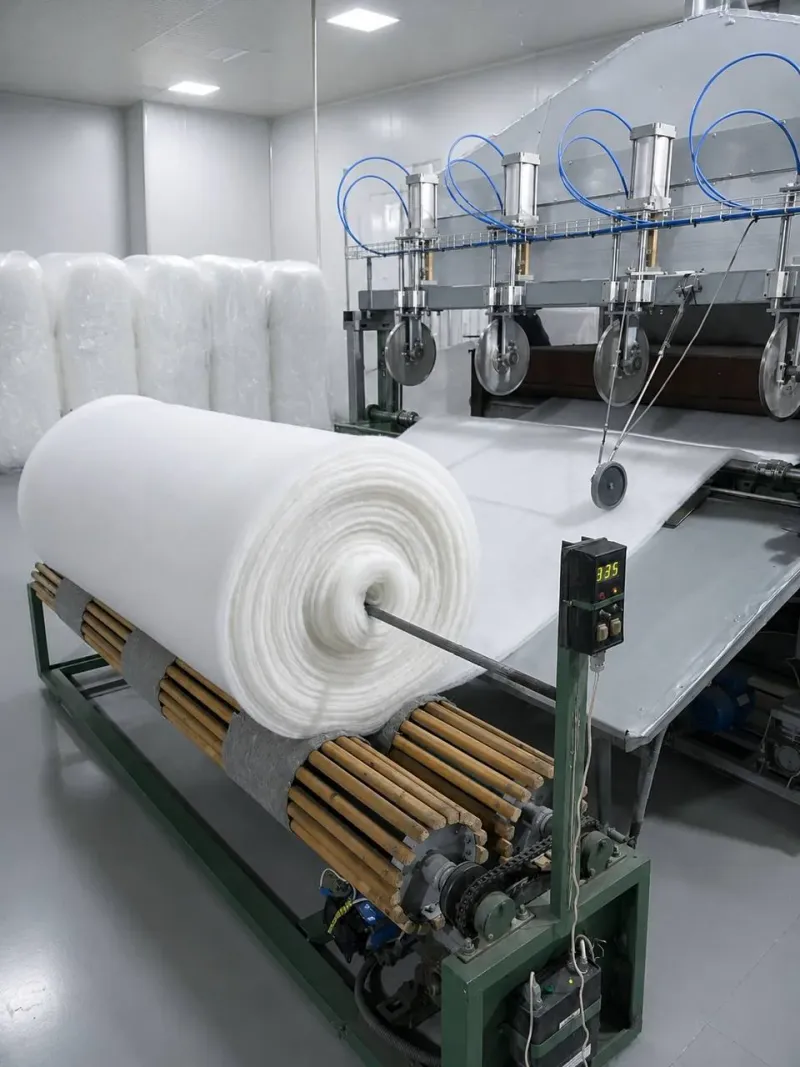
The period of 2010–2020 became a time of stabilization, steady technological development, and active entry into the international market for Sumykamvol LLC. If in the 2000s the enterprise was mostly fighting for survival, in the 2010s it had already formed as a modern textile group of companies with its own clear specialization. The factory finally moved away from the outdated format of a classic Soviet spinning mill. The facilities worked in several directions simultaneously: wool processing, production of tops and wool for felting, manufacturing of non-woven materials, processing of flax and hemp, and production of fillers for textile goods. The factory became one of the few in Ukraine to preserve a full cycle of processing natural fibers.
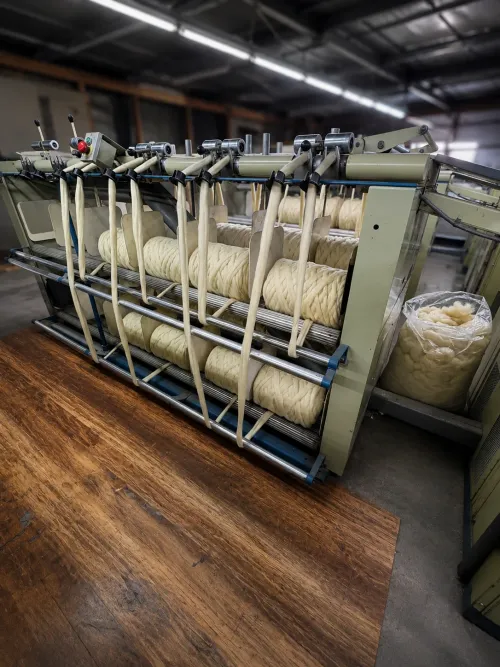
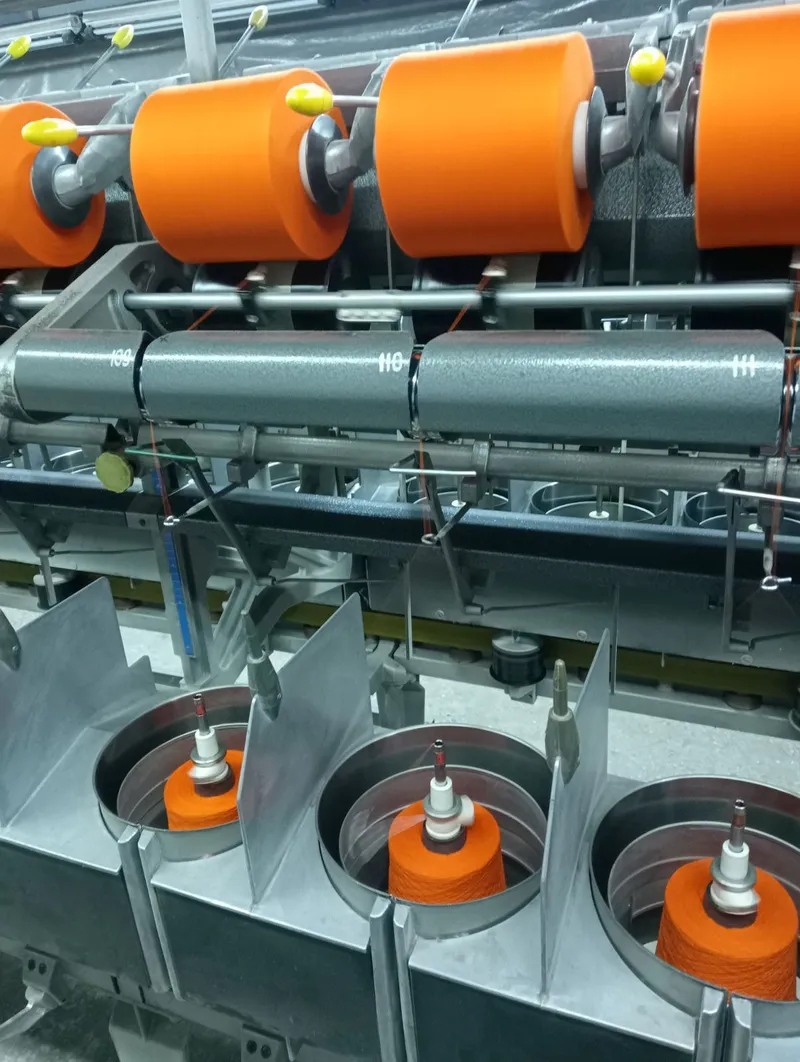
The company occupied a special niche in the market, becoming the only producer of tops and wool for felting in Ukraine, as well as one of the few enterprises performing the cotonization of hemp and flax. The strategic direction was the development of natural fibers, as the global demand for ecological materials, natural insulation, and organic textiles was growing rapidly. The factory adapted its processes to these trends. In parallel, the Patriot Industrial Park developed. By the end of the decade, over 130 different companies operated on the territory: manufacturing enterprises, logistics firms, workshops, and small business offices. This allowed for rational space utilization and created new jobs for Sumy residents. Throughout 2010–2020, modernization continued uninterruptedly. New textile lines were installed, dyeing systems were completely upgraded, technologies for cleaning and processing fibers were improved, and the production capabilities of the non-woven materials workshop were expanded. The material was manufactured in rolls of varying density (g/m²) and was used as insulation and lining for winter clothing. The management actively engaged in grant programs, international support, and foreign partnerships. By 2020, products were exported to more than 30 countries worldwide, including the USA, Switzerland, Germany, Canada, the UK, Poland, France, Spain, Portugal, Finland, Lithuania, Slovakia, Italy, and others. Products made of hemp fiber were in high demand. In the late 2010s, the factory began cooperating with the European EU4Business program, receiving consulting support to optimize its business model and increase competitiveness.
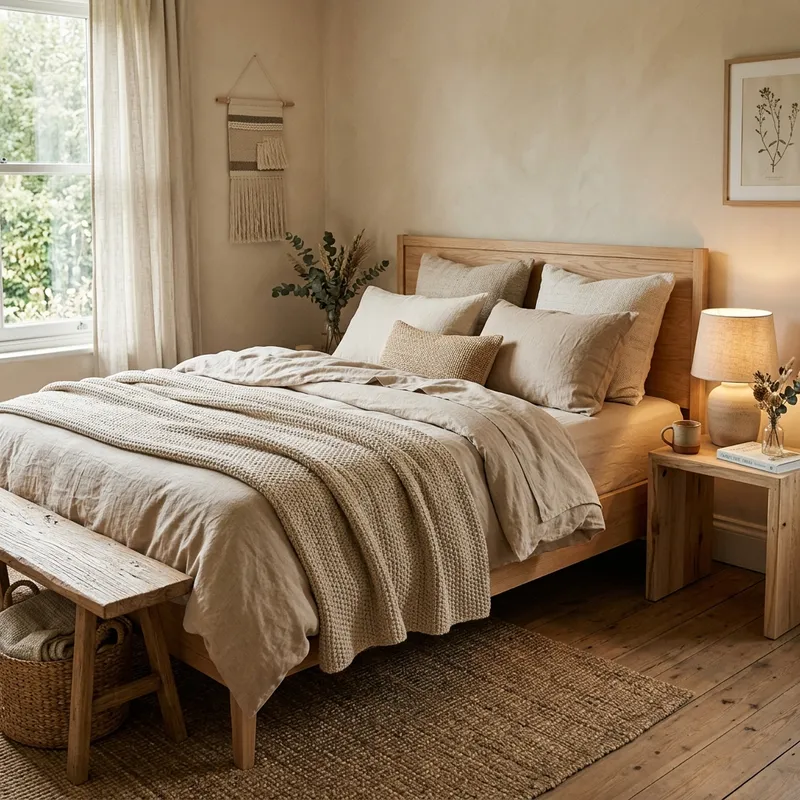
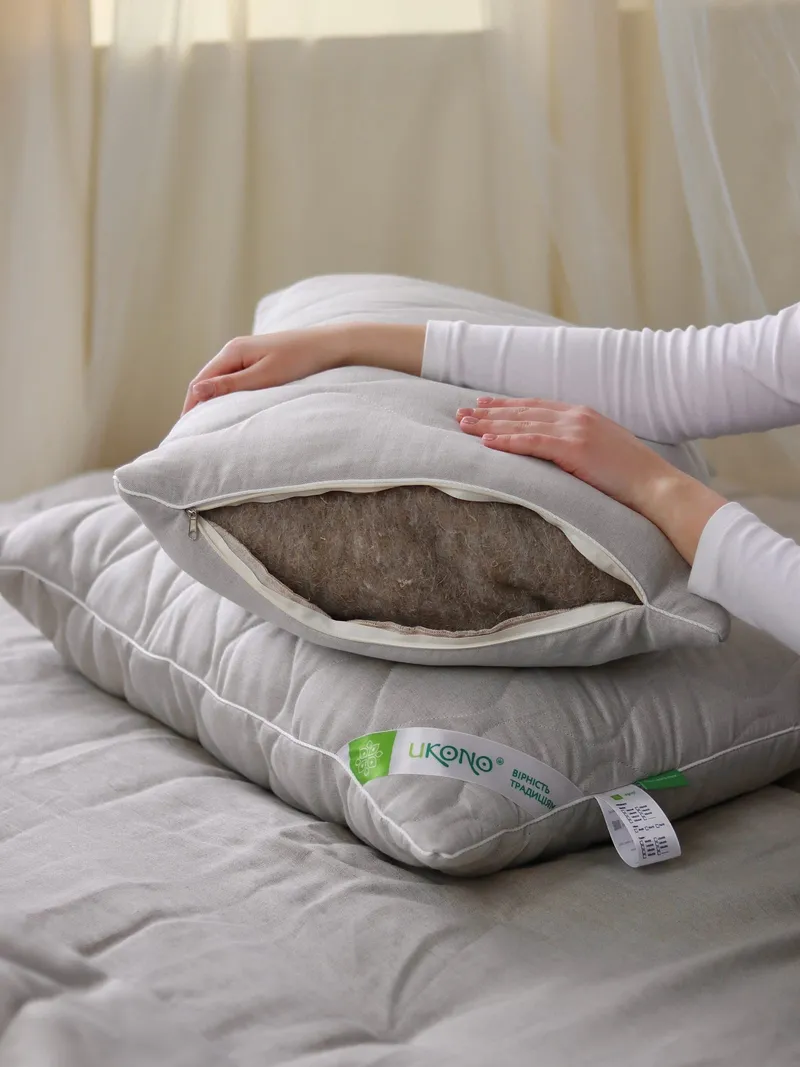
Continuing to confidently develop the promising hemp direction, in 2020 the factory founded its own consumer brand of finished eco-textiles under the name UKONO. The main idea behind this brand was the production of completely natural, safe, and highly health-beneficial bedding accessories, quality blankets, and pillows. The main feature of the products was the filler made from natural hemp fiber of own production.
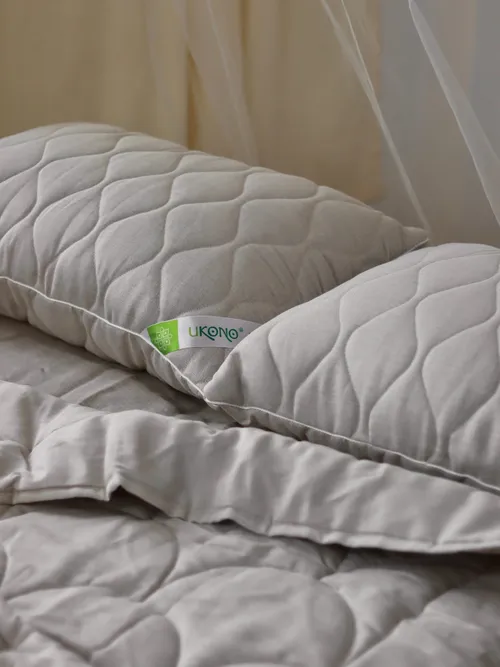
Natural hemp fiber has unique antibacterial and hypoallergenic properties. It breathes perfectly and absorbs moisture during sleep. The factory successfully combined its rich multi-year experience in industrial processing of natural fiber with the most modern design of finished bedding. Thanks to this, Ukrainian eco-textiles were introduced to the European market.
The UKONO brand quickly became known and sought after among supporters of a healthy lifestyle and the philosophy of ecological consumption. Each product is created by the company's craftspeople with special attention to the smallest details. Only certified natural fabrics and fillers are used in the manufacturing process. Now customers have the opportunity to buy original hemp blankets directly from the manufacturer, appreciating the high competitiveness of the products.
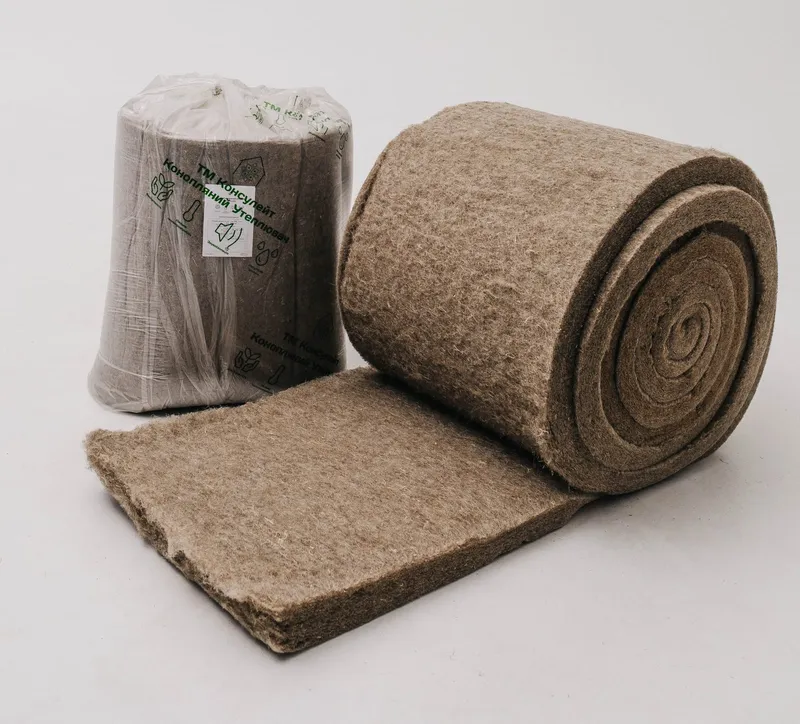
In 2023, Sumykamvol LLC took another technological step forward and actively developed a new innovative direction. The factory set up large-scale production of specialized hemp insulation under the KONSULATE trademark. This innovative product became a vivid example of the successful transition of Ukrainian industry to the manufacture of next-generation eco-friendly building materials.
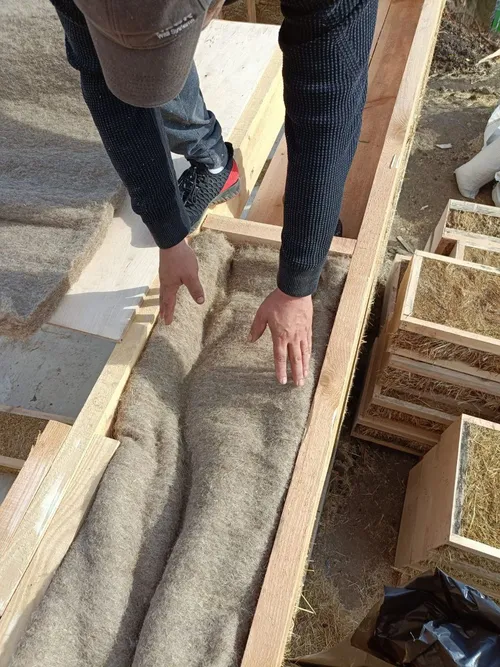
Hemp insulation KONSULATE is a high-quality non-woven thermal and acoustic insulation material. It is manufactured from technical hemp using a progressive method of fiber thermal bonding without the use of toxic substances. The core of the material consists of clean natural hemp fiber, which accounts for about 80% of the total composition of the product. The appearance of this insulation was an absolutely logical continuation of the company's many years of systematic work with the processing of natural fibers, hemp cotonization, and manufacturing of non-woven materials for eco-textiles.
After 2020, a sharp rise in demand for eco-construction, natural joint insulation, energy-efficient materials, and completely health-safe insulation systems was recorded worldwide. The factory responded to this global request in a timely manner by offering the construction market a reliable roll canvas. The material has low thermal conductivity and high vapor permeability, making it an ideal choice for the walls of wooden houses. Today, every customer can buy reliable hemp insulation directly from the manufacturer. A direct link to the product is available for a detailed overview of the range and ordering.
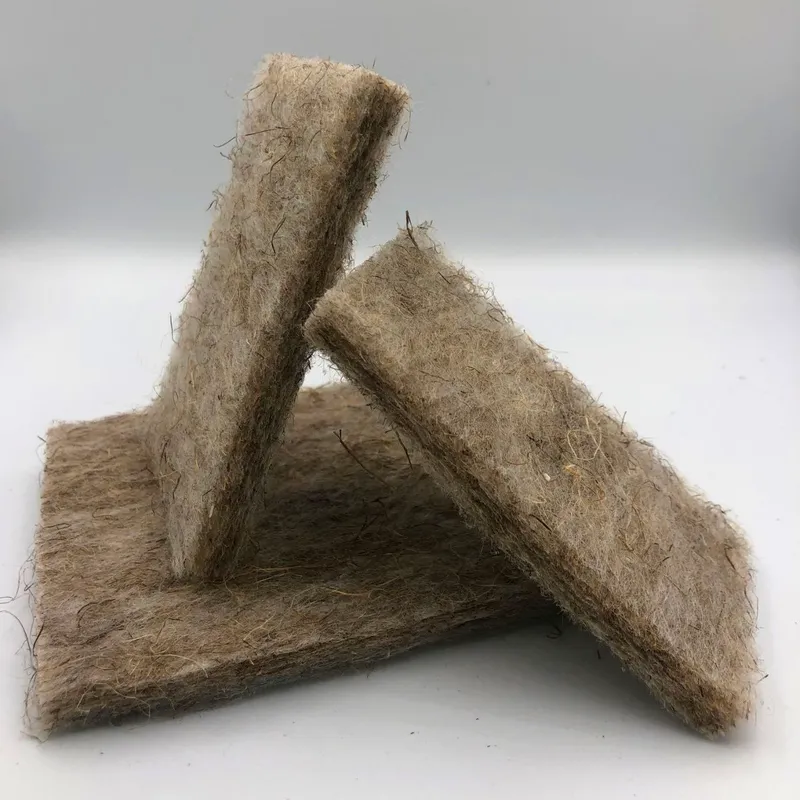
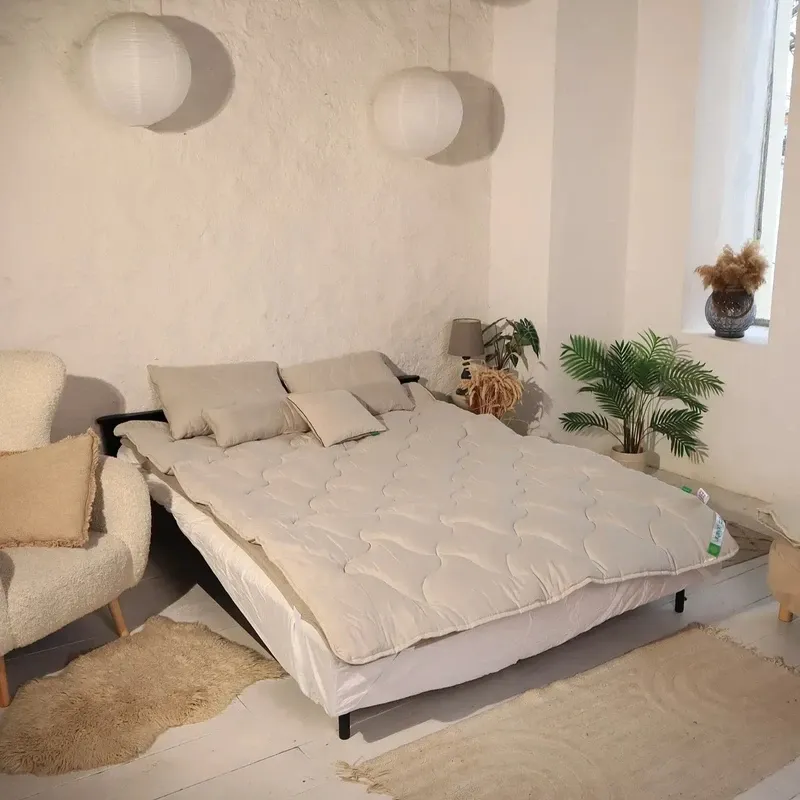
Today, Sumykamvol stands not only as a raw material manufacturer but as a powerful industrial core producing top-quality finished goods. We have united our industrial facilities with leading Ukrainian eco-brands.
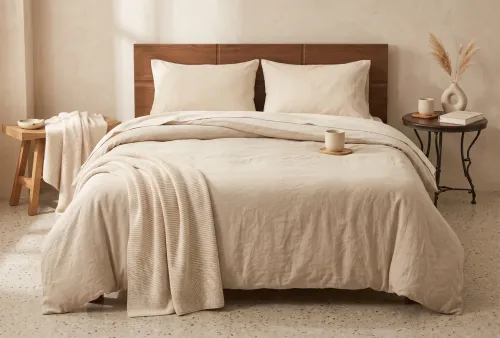
Our consumer brand UKONO offers clients unique organic products: hemp socks, premium hemp bedding, and eco-friendly hemp blankets. We use natural hemp fiber of our own processing as an ecological filler for pillows and blankets.
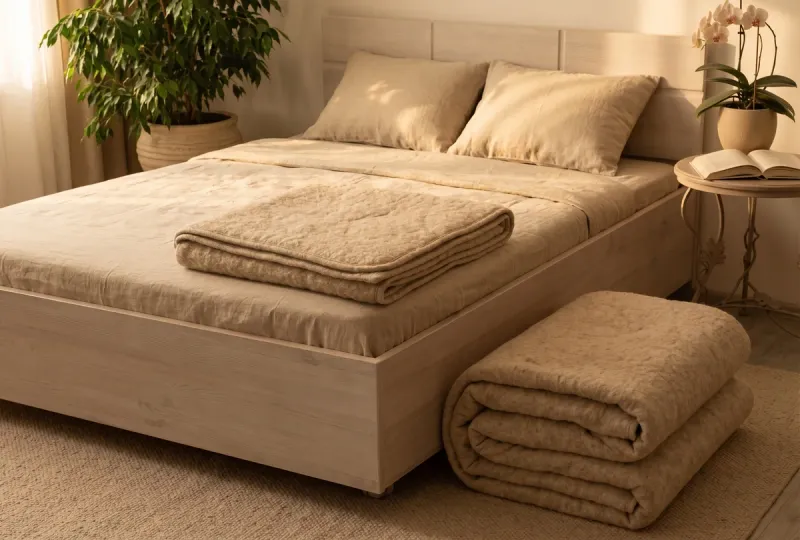
Simultaneously, in close integration with TM Charivna Nich, we produce a wide range of premium home textiles. Our joint line includes hypoallergenic mattresses, natural hemp toppers, hemp sleeping bags, and high-quality wool blankets.
Thanks to full diversification and the modern technology base of our industrial park, we cover the complete production cycle — from primary fiber processing to the creation of ready-made eco-products. We confidently move forward, offering sustainable solutions for health and comfort.
Agro-Tourism Hemp Cluster "Slobozhanske Hemp Growing"
Sumykamvol is an active participant and the industrial core of the Sumy Agro-Tourism Hemp Cluster. Together with our partners, we revive the traditions of cultivation and deep industrial processing of technical hemp in the Sumy region.
Cluster Goals
- Popularization of technical hemp and strengthening Ukraine's position in the global textile and agricultural markets.
- Construction of modern processing plants for converting hemp straw into fiber, cellulose, and high-quality fabrics.
- Full supply of the domestic market with high-yielding technical hemp seeds of domestic breeding.
Key Tasks
- Full satisfaction of the state and business needs in high-quality, eco-friendly hemp products.
- Increasing the competitiveness and efficiency of technical hemp processing.
- Development and adaptation of advanced cultivation methods for specific soil and climatic conditions.
Future Vision
- Increasing the cultivation areas to 20,000 hectares, attracting new farms and specialized enterprises.
- Natural land remediation of degraded agricultural lands and improving soil fertility.
- Creating additional jobs, boosting regional economy, and increasing budget revenues.
Learn more about the cluster projects and news on the official website:
hemp.sumy.uaWe guarantee high product quality
Our production is based on the principles of sustainable development and compliance with high standards. We control the entire chain: from purchasing raw materials from farmers to creating the finished product, ensuring the ecological purity of every thread and exporting products to dozens of countries worldwide, including the USA, Switzerland, Germany, Canada, the UK, Poland, France, Spain, Portugal, Finland, Lithuania, Slovakia, Italy, and others.
Factory Management
We combine experience and innovation for the development of the Ukrainian textile industry.
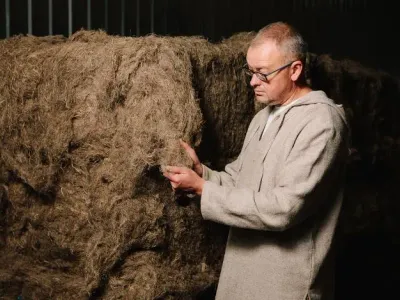
Leads strategic planning and factory management, ensuring its stable development and reliable partnership.
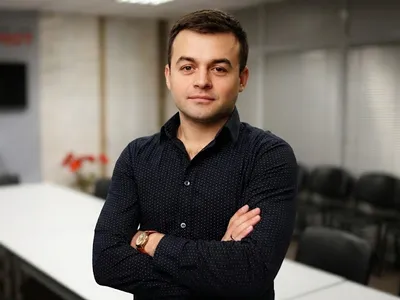
Manages the factory's commercial activities, partner network development, and sales market expansion in Ukraine and abroad.
Stepan Bondarenko
Production Director
Responsible for organizing production processes, line modernization, and quality control of products at each stage.
Oleg Nesterov
Director of Patriot Industrial Park
Coordinates the infrastructure development of the industrial park, attracting new residents, and implementing industrial symbiosis principles.