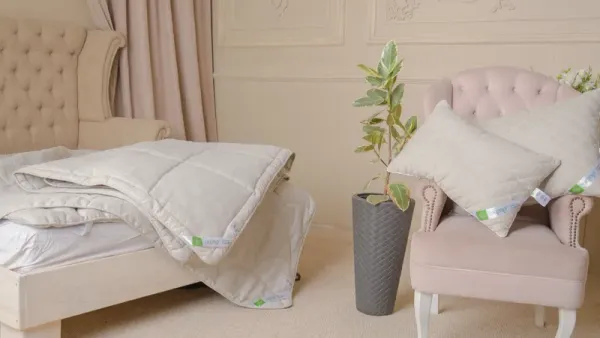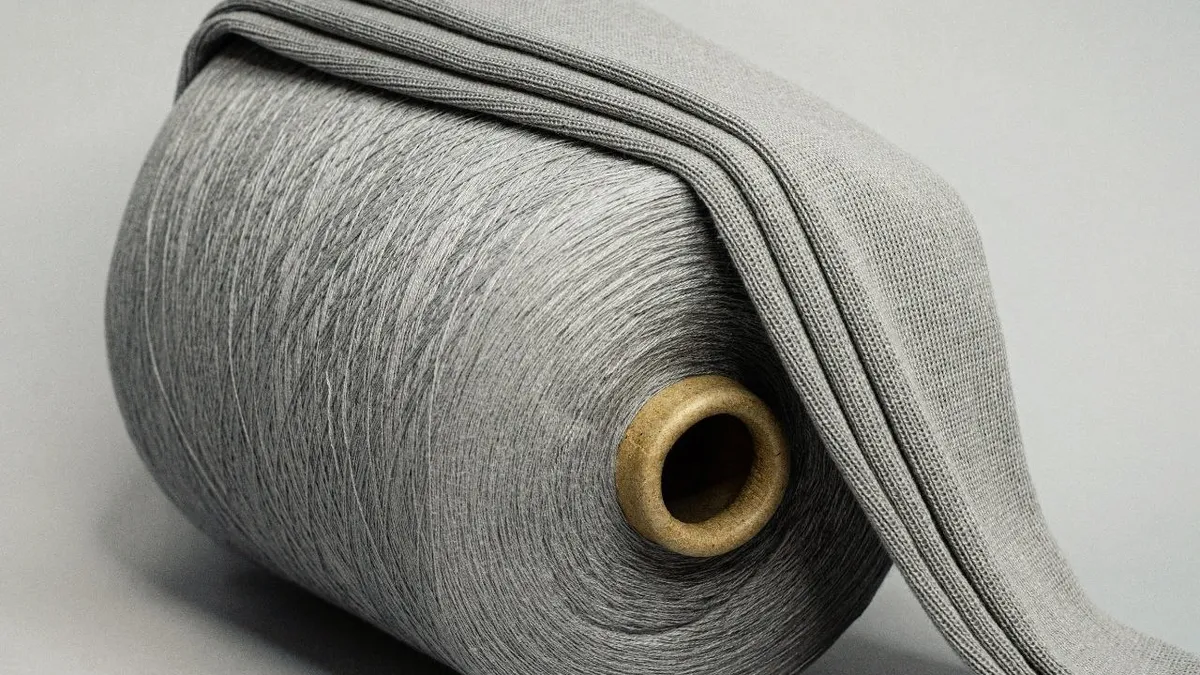
Wool has been and remains one of the most popular and valuable materials in the textile industry. Its unique properties—thermal insulation, elasticity, moisture-wicking ability, and durability—make it an ideal choice for both industrial manufacturing and hand knitting or felting.
The “Sumykamvol” factory has over 30 years of experience in deep wool processing, so today we will tell you how to correctly choose wool yarn for your needs.
Main Types of Wool Products
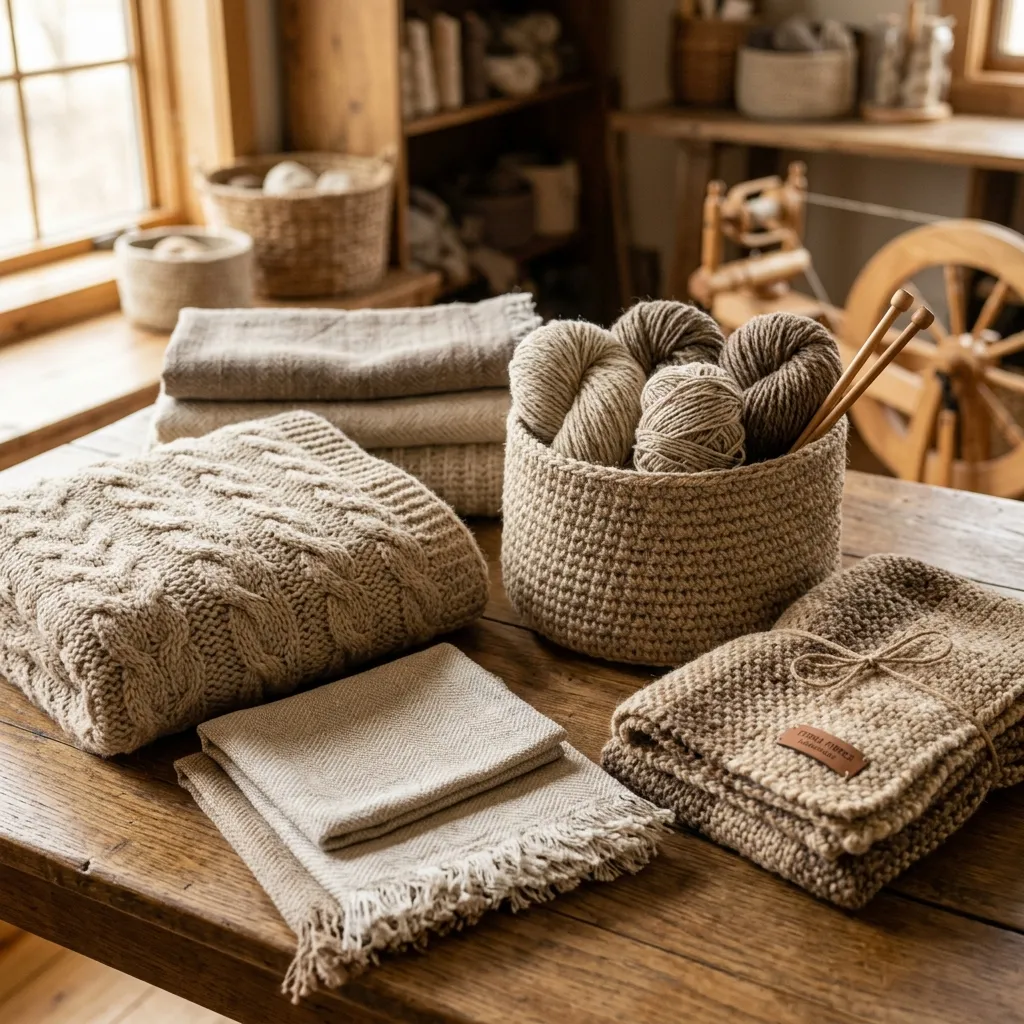
Depending on the stage of processing and purpose, wool raw materials are divided into several key categories.
1. Wool Tops (Combed Sliver)
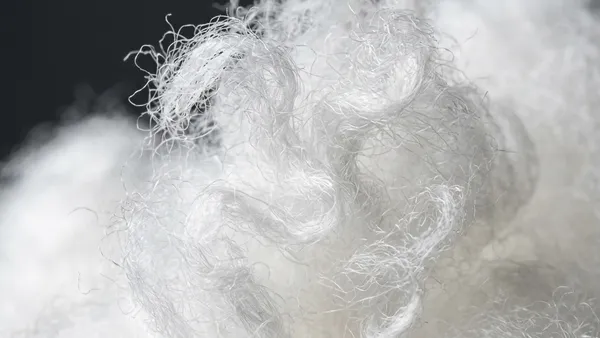
Tops are a semi-finished product obtained after washing, carding, and combing wool. All short fibers are combed out, leaving only long, parallel fibers.
- Best used for: It is the ideal material for spinning high-quality smooth yarn, as well as for dry and wet felting. Wool tops are distinguished by their softness and uniformity.
2. Carded Yarn
This is yarn made from fibers that have been carded but not combed. It is fluffier, bulkier, and retains more air than combed yarn.
- Best used for: Making warm sweaters, blankets, socks, and coarse fabrics. It retains heat perfectly.
3. Semi-Fine Wool
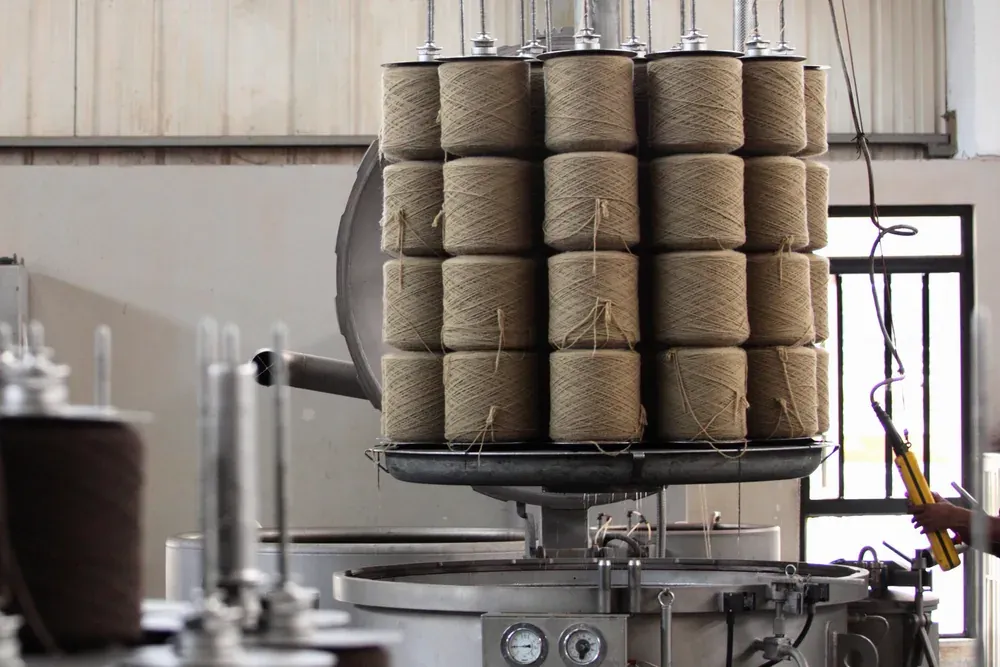
This is wool obtained from semi-fine fleece sheep breeds. It has an optimal ratio of thickness (from 25 to 31 microns) and fiber length, making it versatile. It is stronger than merino wool but significantly softer than coarse wool.
- Best used for: Production of blankets, outerwear, carpets, and upholstery fabrics.
What to Look For When Choosing?
- Fiber Thickness (Microns): The fewer microns, the softer the wool. For clothing that touches the skin, it is better to choose fine wool. For outerwear or interior items, semi-fine wool is suitable.
- Twist: Tightly twisted yarn (worsted) is stronger and smoother. Loosely twisted yarn (roving) is fluffy but prone to pilling.
- Composition: 100% wool is the warmest, but to increase durability and elasticity, synthetic fibers (polyamide, acrylic) are often added.
If you are looking for a reliable supplier of wool raw materials for your production or craft business, we offer a wide selection of European-quality products. Explore our offerings in the Wool and Yarn section.