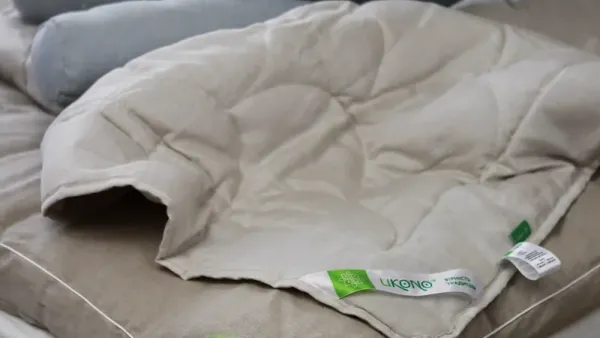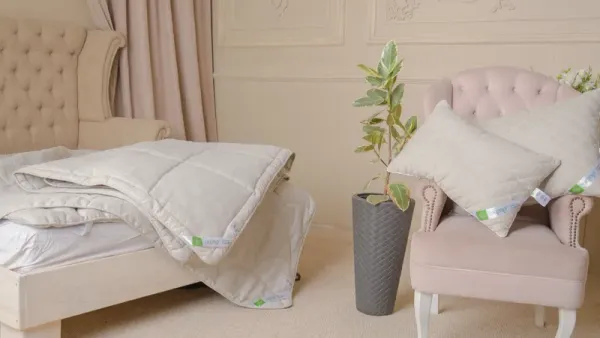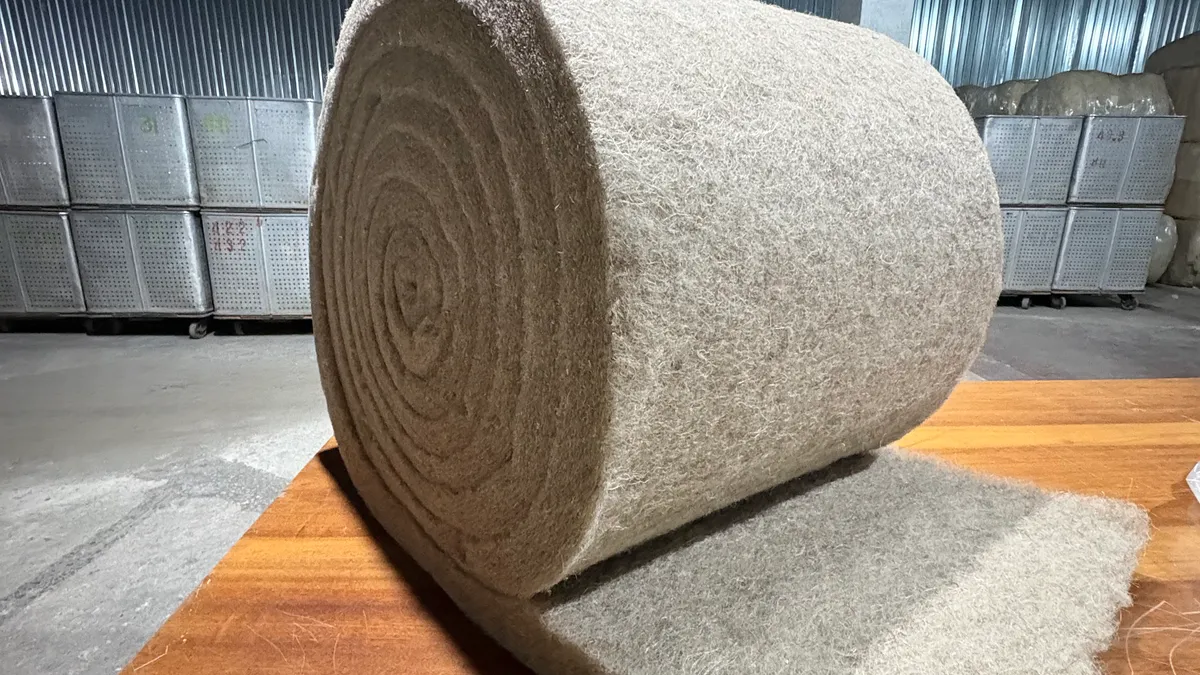
Rising energy costs and the demand for eco-friendly building materials are prompting a more careful approach to the selection of thermal insulation. The characteristics of the insulation material determine not only heat retention efficiency but also indoor climate comfort, structural durability, and health safety. In this article, we compare traditional mineral wool with the natural KONSULATE™ hemp insulation from Sumykamvol to identify the strengths of each material.
What is hemp insulation?
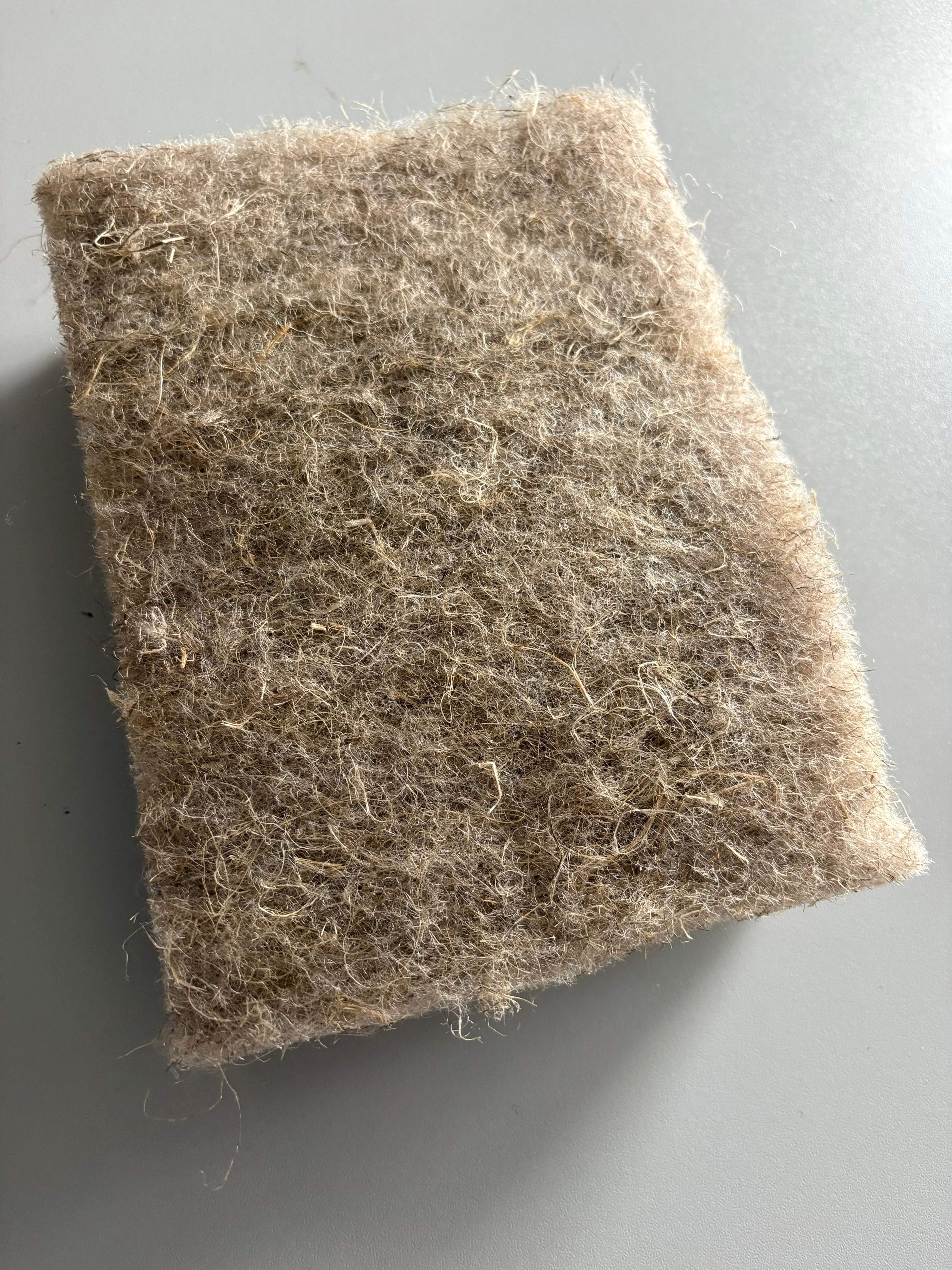
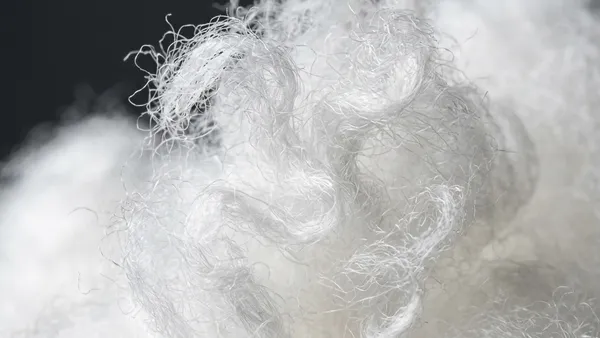
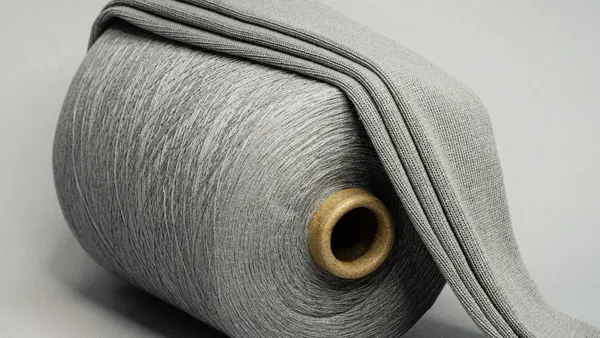
Hemp insulation is based on natural industrial hemp fiber combined with a special thermal-bonding fiber to provide the material with strength and stability. Thanks to the natural cellular structure of hemp stalks, the insulation effectively retains heat, helps maintain an optimal indoor microclimate, and provides a high level of sound insulation.
Key differences between materials
To determine which insulation best suits your needs, it is worth comparing them based on their most important performance characteristics.
1. Environmental friendliness and health impact
- Mineral wool: During cutting and installation, it generates fine fibers that can irritate the skin, eyes, and respiratory tract. Many types of this material contain synthetic binders, particularly those based on phenol-formaldehyde.
- Hemp insulation: Made primarily from natural raw materials, it does not emit harmful substances or generate dust during installation. The material is hypoallergenic and safe for use in both residential and public buildings.
2. Moisture exchange and vapor permeability
- Mineral wool: Allows water vapor to pass through; however, its thermal insulation properties deteriorate significantly when wet. Proper installation of a vapor barrier layer is essential for the insulation to function effectively.
- Hemp insulation: Natural fibers can absorb and gradually release moisture without a noticeable loss in thermal insulation performance. This helps maintain a comfortable humidity level and reduces the risk of condensation.
3. Service life and biological resistance
-
Mineral wool: Over prolonged use, certain types may lose their shape or become compacted, negatively affecting thermal insulation. Constant exposure to moisture can lead to mold growth.
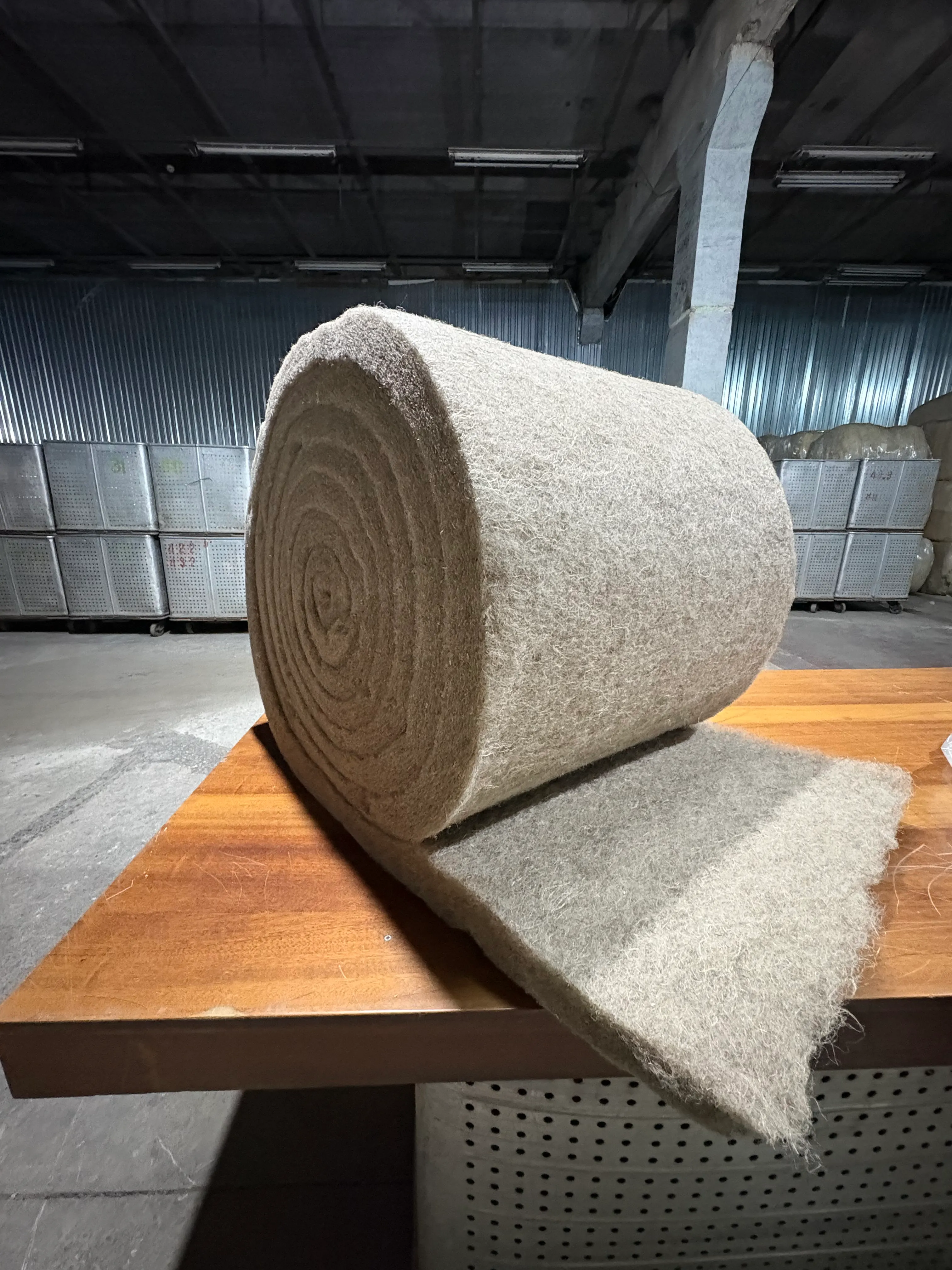
Hemp insulation: The natural properties of hemp fiber ensure resistance to fungi, mold, and bacteria. Furthermore, the material is virtually unattractive to rodents and insects, which contributes to its durability.
Installation Features
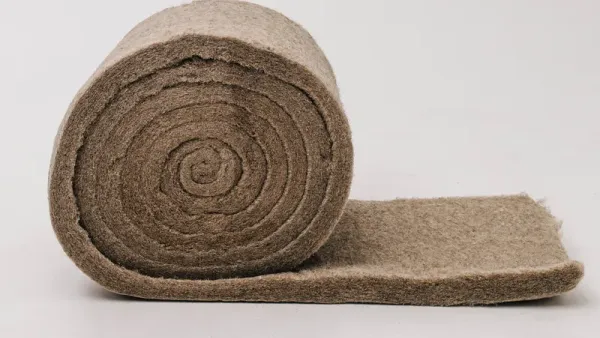
Hemp insulation boards (mats) feature an elastic structure, allowing them to fit snugly between framing members without the need for additional fasteners. This material is effectively used for insulating:
- roofs and attics;
- inter-floor assemblies;
- timber-frame and wooden walls.
Detailed technical specifications and ordering information for KONSULATE™ hemp insulation are available in the relevant section of the product catalog.